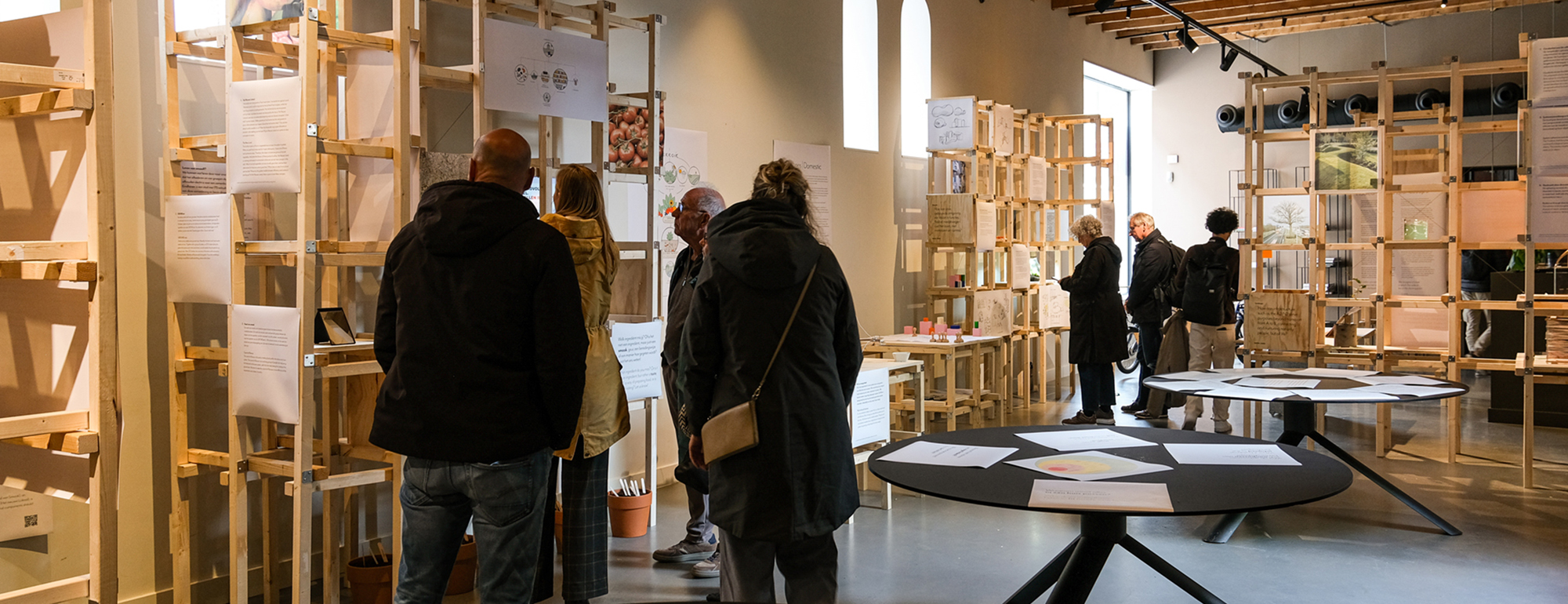

Behind every design lies a chain of choices, materials, labour and energy. What seems self-evident turns out to be inextricably connected to everything and everyone. This makes redesigning our world complex. Meanwhile, climates and ecosystems keep changing, resources and labour are under growing pressure, and yesterday’s solutions sometimes become today’s problems. The way we live, produce and consume needs to change radically. But how?
Guided by its mission to contribute step by step to a more nature-inclusive society, Kazerne Foundation takes the initiative to develop compelling alternatives through research into interconnected chains and collaboration across disciplines. Together with those who share the urgency to redesign our living environment in greater symbiosis. Simply by doing it: researching, connecting, experimenting, prototyping and scaling up, with the rapid growth of the Eindhoven metropolitan region in mind.
What is needed to bring about radical change? In the long-term project ‘Radical Chains’, cross-sectoral teams are using value chain research to develop radical alternatives to urgent issues relating to food, housing and the landscape.
During Dutch Design Week 2026, Radical Chains shares its first insights, prototypes and possible directions. Not as an endpoint, but as an invitation to dialogue. In brief, the Food team explored how the 170 food cultures of the Eindhoven metropolitan region could help boost biodiversity and strengthen regional food production, from soil to plate and back to soil. The Domestic team looked at how buildings, spaces and materials, often tied to fixed uses, could adapt as our lives change. And the Landscape team explored how infrastructure such as the A2/N2 could do more than get us from A to B, connecting and sustaining all forms of life.
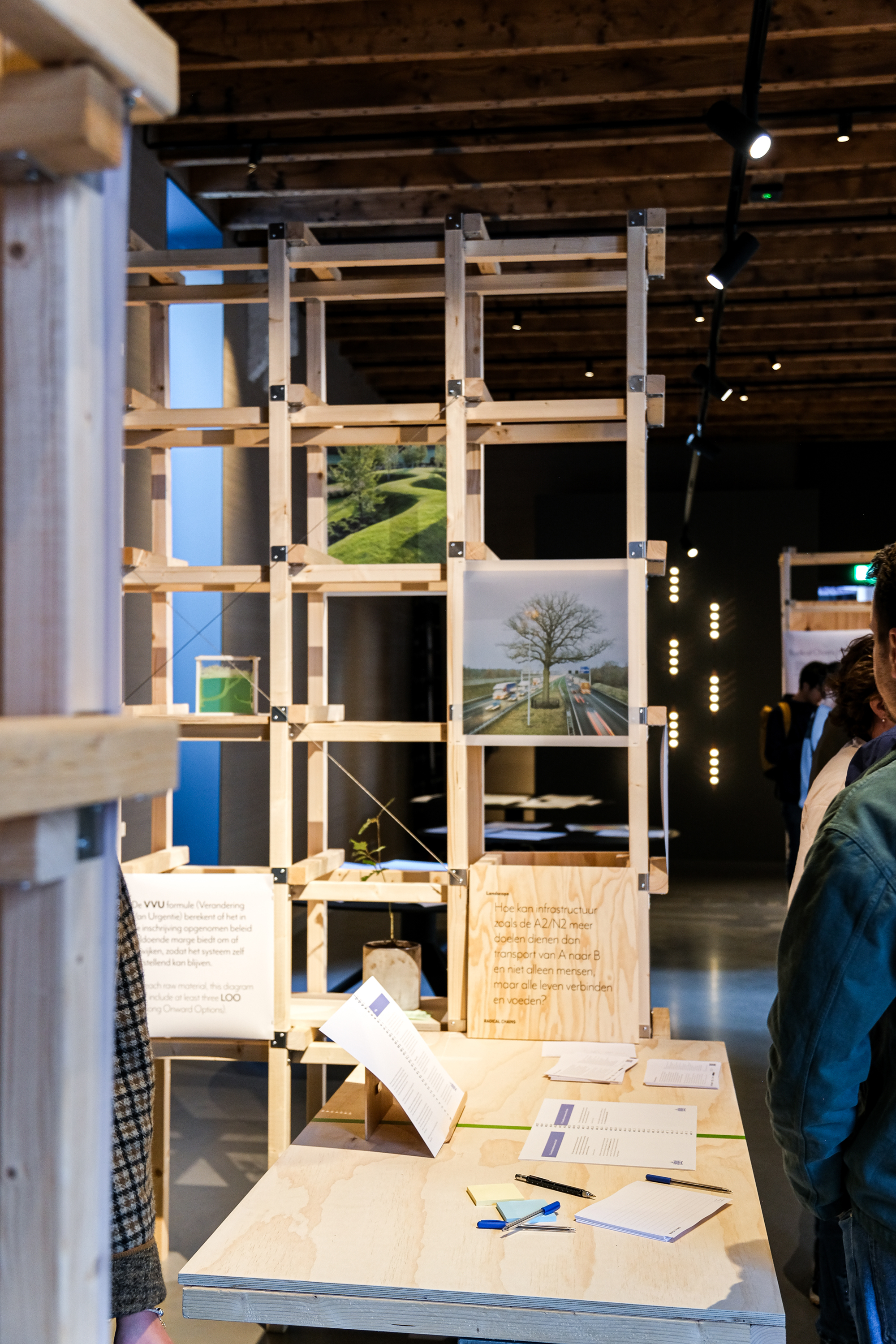
Radical Landscape Chain
Everything moves. People and goods, animals and seeds, water and sediment, raw materials and energy. All these movements are part of chains that intersect, reinforce or hinder one another, and are constantly changing. The Netherlands has 143,000 kilometres of paved public roads, built to move people and goods efficiently from A to B. Yet what connects us can become a barrier to other forms of movement. Taking the A2/N2 around Eindhoven as a case study, the Landscape team explores how water moves on, beneath, above and around the road, and where it can no longer flow. Which chains does infrastructure set in motion, which does it interrupt, and how can it become part of a living landscape?
What if we designed tomorrow’s motorway as multifunctional, regenerative infrastructure that makes room for all that needs to keep flowing, growing, migrating, moving and living?
How can infrastructure like the A2/N2 do more than get us from A to B? How can it connect and sustain all forms of life?
Landscape team: Janne Brok (Bureau WO, researcher in radical systems change), Sterre Dingemanse (designer and winner of the 2026 Social Design Award), Annemoon Geurts (project initiator and designer), Stan Kerkhofs (Rijkswaterstaat, circular infrastructure specialist), Claudia Lieshout (Studio Clau, designer), Lucas van Vuuren (student designer at Design Academy Eindhoven)
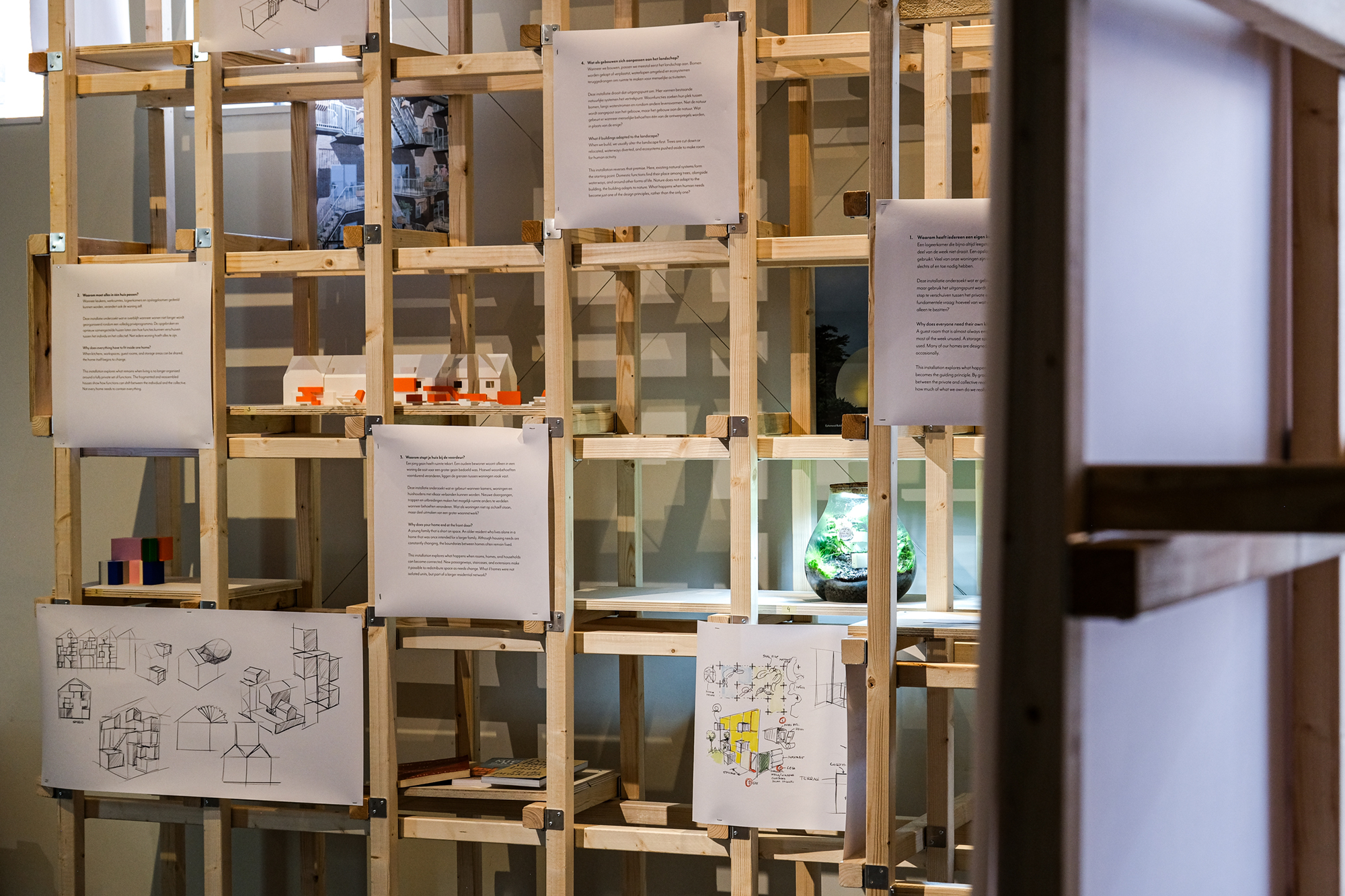
Radical Domestic Chain
We design our living environments as though our needs will never change: a home is a home, an office is an office, each locked into a fixed use. Yet life keeps changing. The Domestic team explores how spaces, materials and buildings can grow, shrink and take on new meanings as life changes over time. What if health, social cohesion, biodiversity and ecological vitality guided our decisions alongside cost and efficiency? And what if the materials and forms we choose helped restore our surroundings and made them more resilient?
What if tomorrow’s buildings could change with the lives of the people who use them, adapting to new occupants and uses, while their materials and forms helped replenish the resources they draw on?
How can we move beyond fixed uses and design a built environment whose spaces and materials adapt as life changes?
Domestic team: Annemoon Geurts (project initiator and designer), Mars Holwerda (MOMdesign, designer), Emma Lubbers (researcher in circular renovation and landscape architect), Ineke Neutelings (Inktvisie, designer), Ralph Oduber and Joppe Stelloo (Heijmans, circular innovation specialists), Meggy Smulders (Gielissen, specialist in circular materials, including construction materials), Vittore Vermeulen (student designer at Design Academy Eindhoven)
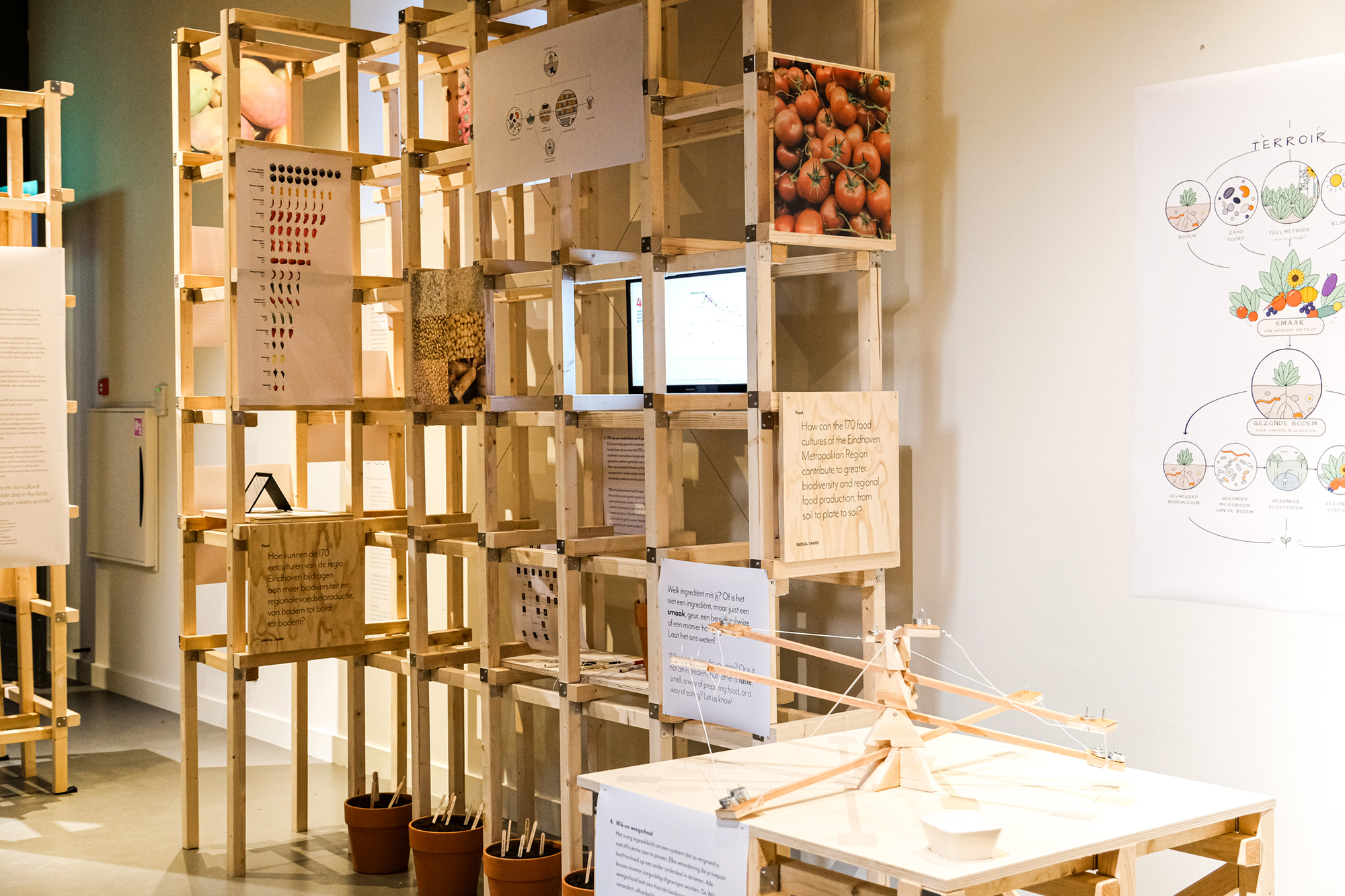
Radical Food Chain
Eindhoven is home to 170 nationalities. Many of our vegetables, grains, beans, fruits and herbs also come from far away. How can diverse food cultures support biodiversity and regional food production? Taking the lunchbox as its starting point, the Food team explores which ingredients people would like to see grown locally and how the food chain could be redesigned, from soil to plate and back to soil. The team considers what a changing climate means for what we can grow, as well as the cultural, social, economic, nutritional and ecological value of the food we grow and eat.
Could we one day gather our vegetables straight from a regenerative landscape instead of buying them pre-cut and wrapped in plastic at the supermarket? Could that be a family outing?
How can the 170 food cultures of the Eindhoven metropolitan region help increase biodiversity and strengthen regional food production, from soil to plate and back to soil?
Food team: Annemoon Geurts (project initiator and designer), Janny van der Heijden and Marcel Webster (policy makers at the Province of North Brabant), Mirjam van Oers (generalist and transition facilitator), Jessica Peters (Van de Palande, regenerative grower), Linde van Vlijmen (designer), Carolien Weerstand (designer), and Paul van Zoggel (scientist at Wageningen Research).
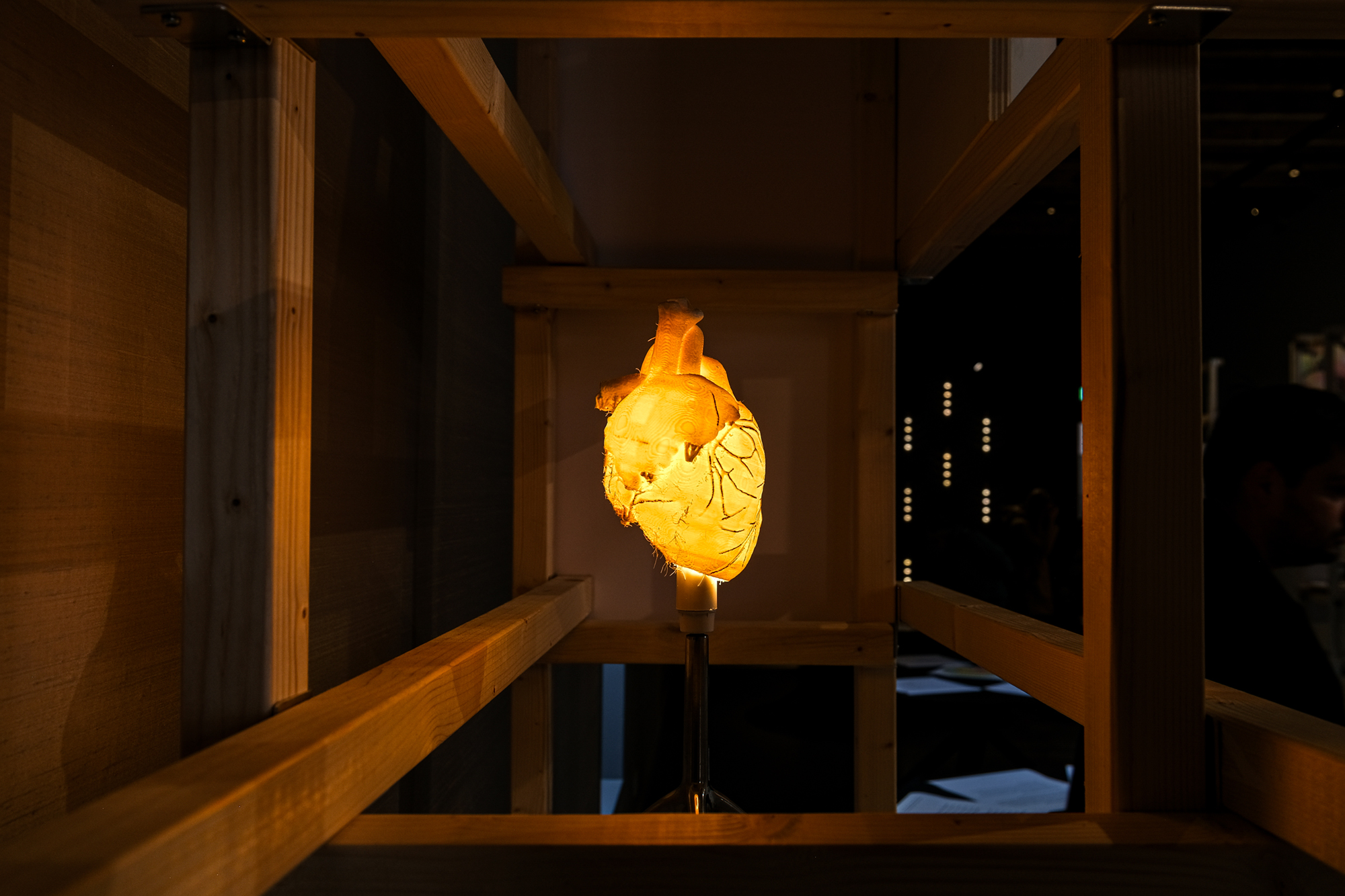
No band-aids, but radically different chains.
Thanks: Cultuur Eindhoven, Stefan van Gestel, Fides Lapidaire, Province ofNoord-Brabant, Rabobank Eindhoven, Marlies Zuidam
Share your ideas and join in: drop a line at office@kazerne.com
